Outdoor Fixed LED Display
IP65 energy-saving outdoor LED billboards and facade screens built for 24/7 advertising in any climate.
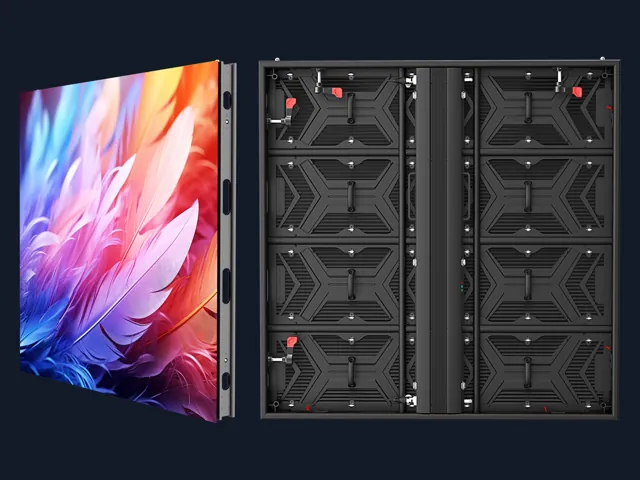
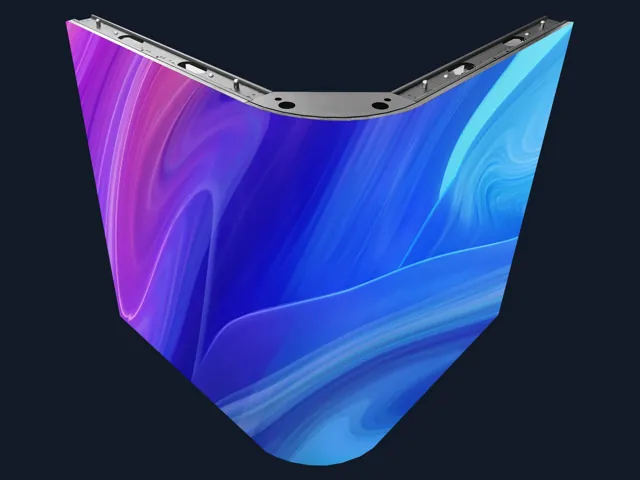
How to choose outdoor fixed LED displays
An outdoor fixed LED display is a long-life infrastructure purchase. The cabinet remains on a billboard, facade or roadside structure for years, so weather sealing, thermal management, power consumption and safe service access matter more than rental-style handles or fast locks. A convincing daytime image also depends on orientation and local sunlight, not a brightness number copied from a brochure.
MCVISUAL outdoor platforms cover conventional high-brightness installations and energy-saving common-cathode configurations. We size the system around viewing distance, structural loading, wind exposure, local voltage, operating schedule and whether technicians can work from the front or rear. Those inputs determine cabinet format, pitch, brightness and maintenance layout.
Specify brightness for the site
A shaded facade and a south-facing roadside screen do not need the same output. Overspecifying brightness increases power and heat; underspecifying it produces a washed-out image at the exact time advertisers need attention.
Verify complete outdoor protection
Ask how the modules, power boxes, connectors and cabinet seams achieve the stated IP rating. UV-resistant masks, coated electronics, drainage and corrosion-aware hardware matter over multiple rainy seasons.
Design for operating cost
Compare average power, not only maximum power. Energy-saving drive architecture, automatic brightness schedules and efficient power supplies can materially change the lifetime cost of a display that runs 12–24 hours per day.
Engineer the complete outdoor system
The LED cabinets are only one part of an outdoor project. The final proposal should identify structure interfaces, wind-load data, ventilation, drainage, power protection, lightning and grounding responsibilities, control location and safe technician access. Before shipment, inspect a representative wall at operating brightness after warm-up, test door and module seals, verify colour uniformity and confirm the automatic brightness schedule. Keep cabinet drawings, wiring diagrams, spare-part quantities and controller files with the site records so future maintenance does not depend on finding the original installer.
Other product lines
Get a factory-direct quote
Tell us your screen size, pixel pitch or application — an engineer replies with a detailed quotation within 12 hours on business days.